
Wings+ January 2026 Edition
What holds aviation together is rarely visible. This issue explores the governance and coordination systems shaping trust, decisions and long-term resilience.

From the Wings of Legacy team
Aviation is often described through what we can see. Aircraft, terminals, technology, movement. Less visible is what holds everything together. The work that sits behind approvals, risk decisions and accountability. The coordination that prevents issues before they surface. The governance that allows organisations to grow without losing trust. As aviation becomes more regulated, more data driven and more interconnected, those invisible layers are no longer peripheral. They are central. This edition focuses on that work and on the people operating within it. For early career readers, this matters more than it might first appear. These roles shape decisions, influence outcomes and quietly determine how organisations function over time.
WHY GOVERNANCE AND COORDINATION MATTER NOW
Large infrastructure organisations are under pressure from several directions at once.
Regulatory scrutiny is increasing. Expectations around transparency and sustainability are rising. Airports are managing wider networks of partners, regulators, suppliers and communities than ever before.
Recent events have made the consequences of weak coordination visible. In January 2024, an Alaska Airlines Boeing 737 MAX 9 experienced a mid air depressurisation when a door plug detached shortly after take off. Investigations later showed that the issue stemmed from manufacturing quality control failures within Boeing facilities, alongside weaknesses in oversight and regulatory review, rather than a single technical error. The incident prompted a wider examination of how responsibility is distributed and how information moves between organisations.
For airports and aviation authorities, the lesson was clear. When oversight, audit and coordination are not properly aligned, small failures can pass through systems unnoticed until they become public and costly. For early career professionals, this is where governance and coordination move from background functions to roles that shape responsibility, influence and long term trust inside organisations.
In this environment, coordination is not administrative. It is strategic. One of the underlying tensions in modern aviation, particularly in the United States, is the extent to which self governance and self certification are relied upon within manufacturing and oversight systems.
When organisations are responsible for assessing their own compliance, the risk of blind spots and institutional bias increases. When organisations are responsible for assessing their own compliance, the risk of blind spots, cognitive bias, and weakened checks and balances increases.
Audit and governance functions are also changing. Once viewed mainly as compliance mechanisms, they are now expected to provide insight, anticipate risk and support long term decision making. When they work well, they help organisations learn, adapt and build resilience rather than simply react.
This shift is creating new kinds of opportunity, particularly for people who can think across systems, communicate with clarity and operate comfortably in complex environments.
EXCLUSIVE INTERVIEW
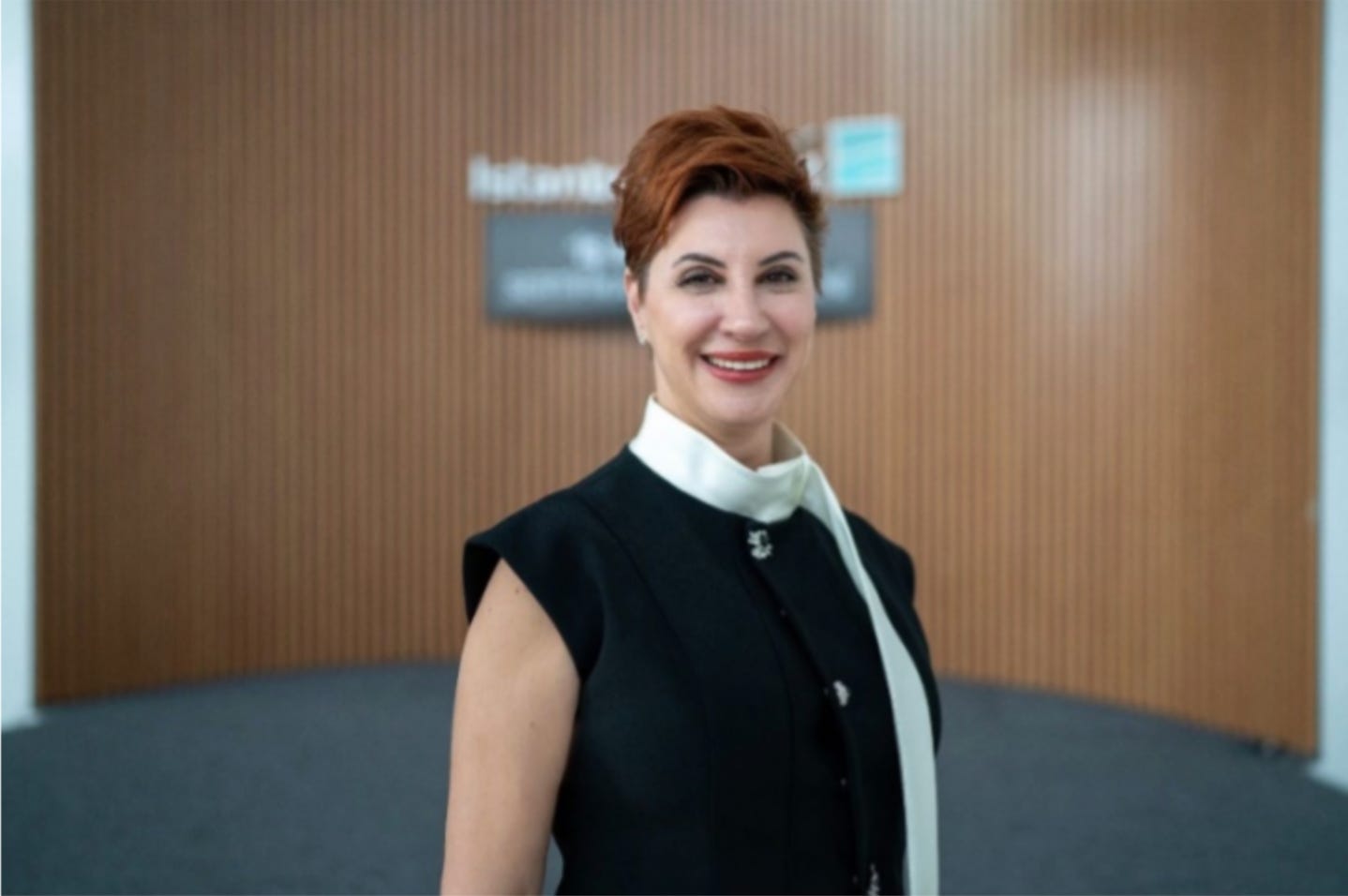
Çimen Başak Özdemir, Manager, Quality Systems, Stakeholder Audit and Coordination İGA İstanbul Airport
At İstanbul Airport, systems thinking is not theoretical. It is operational. Ms. Başak Çimen Özdemir works at the intersection of audit, coordination and stakeholder oversight within one of the world’s largest aviation ecosystems.
How do audit, coordination and stakeholder management work together in practice?In practice, these functions operate as parts of the same system. Audit provides clarity by showing where processes are under pressure and where improvement is needed. Coordination ensures that these findings translate into action, both internally and across external partners. Stakeholder management sustains the process by building trust and alignment beyond organisational boundaries.
In aviation, safety, quality and compliance cannot be managed independently. Airports are complex ecosystems where multiple disciplines and decision making structures intersect. What makes the difference is not managing each element separately, but adopting a shared systems approach shaped by people, relationships and collaboration.
Stakeholder coordination is rarely visible. What does effective coordination look like day to day?
When coordination works well, problems do not escalate. In daily practice, it means sharing the right information at the right time, identifying risks early and keeping decision making moving without unnecessary delay.
The skills that matter most include systems thinking, clear communication and the ability to translate regulatory frameworks into operational reality. Audit experience strengthens these skills by highlighting the gap between how processes are documented and how they actually function. Many challenges arise not from technical failure, but from misalignment.
Audit is sometimes seen as restrictive. How can it enable better decisions?
When approached thoughtfully, audit is enabling. Its value lies in making risk visible and grounding decisions in evidence rather than assumption. I see audit as a learning tool that helps organisations understand how systems truly operate, not just how they appear on paper.
Strong governance allows organisations to move beyond short term fixes towards decisions that are balanced, resilient and sustainable. In highly regulated environments, this approach is essential for maintaining trust.
What advice would you give early career professionals interested in this space?
There is no single route into governance, audit or coordination roles. These fields reward how people think rather than where they started. Analytical thinking, ethical judgement and a systems oriented mindset matter more than following a predefined path.
Aviation is increasingly data driven and digitally enabled. Understanding data, digital tools and artificial intelligence is becoming essential. For women in particular, staying curious, asking questions and trusting your judgement are critical. Waiting to feel fully ready often means missing the moment.
How do you see these roles evolving in the coming years?
Audit and stakeholder management are becoming more proactive and more embedded in strategy. They are engaging earlier in decision making rather than operating only as retrospective control mechanisms.
Stakeholder management is also evolving beyond communication towards partnership and shared value creation. This increases the demand for leaders who can manage complexity, build trust and create space for the next generation to lead.
If you are interested in governance or coordination but do not know what it actually is
Many early career professionals never consciously choose governance or coordination. They encounter it indirectly, often later than they should.
These roles are rarely labelled clearly. They sit between teams. They involve judgement, context and trust. That makes them difficult to explain, but powerful once understood.
At a practical level, governance and coordination roles focus on three things.
Understanding how decisions are made
Knowing who needs to be involved, what rules apply, and where responsibility sits.
Connecting people and processes
Ensuring teams, partners and stakeholders are aligned before issues escalate.
Turning oversight into action
Using audit and quality insight to improve systems, not just report on them.
Common entry points include graduate roles in risk, quality, compliance or operations, project or programme coordination roles, and internships close to strategy or leadership teams.
What matters most is not a perfect background. It is curiosity, systems awareness and the confidence to ask good questions.
Why this matters beyond aviation
What we see at İstanbul Airport reflects a wider shift across technology, infrastructure and security.
Organisations are dealing with more data, more stakeholders and greater scrutiny. They need people who can hold complexity, manage risk without paralysis and support better decisions.
These skills travel well across sectors. They also offer early proximity to influence, something many traditional career paths delay.
This is why Wings of Legacy focuses on how systems work, not just where jobs appear.
From Wings of Legacy
Access without understanding is fragile.
This newsletter exists to share insight that is often informal, unspoken or learned only through proximity. The kind of knowledge that helps early career professionals position themselves with clarity and confidence.
This edition reflects where WINGS is heading. Each issue will start with a sector, but follow the systems underneath it. Governance, coordination and decision making are not niche topics.
They are the architecture of high barrier industries. Understanding them helps early career professionals navigate complexity with confidence and intention.
Closing thoughts from Wings of Legacy
Aviation provides a clear lens because its systems are visible, regulated and under constant scrutiny. But the questions raised in this edition are not unique to one sector.
Across technology, infrastructure, security and other high-barrier industries, organisations are grappling with the same pressures. More complexity. More data. More accountability. Less room for error. In response, roles centred on governance, coordination and oversight are moving closer to the heart of decision making.
For early career professionals, this matters. These functions shape outcomes quietly. They reward people who understand systems, ask good questions and can operate with judgement rather than certainty. They also offer a form of access that does not always come through traditional hierarchies.
WINGS does not exist to catalogue industries. It exists to examine how opportunity is structured within them.
Each edition starts with a sector, but follows the systems underneath. That is where patterns emerge. That is where careers are shaped. And that is where understanding becomes a form of leverage.